What Is Performance Marketing?
Now, business owners want to get as many customers as possible. But, how to do it? Different marketing channels allow companies to promote their products. However, without measuring the promotions, it is hard to know which one performs well and which one is ineffective. That is why companies need performance marketing.
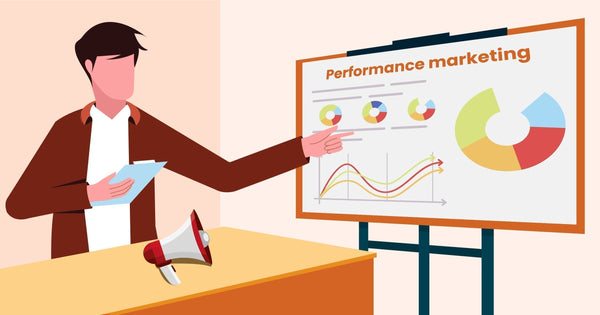
Performance marketing definition is simple: it is a type of marketing where businesses pay only for specific actions. When a customer clicks an ad, fills out a form, subscribes to a mailing list, downloads an app, buys a product, and so on, the company pays for these actions. In other words, performance marketing allows business owners to know exactly how much they spend on marketing and what they get for their money.
Performance marketing becomes more popular every year: statistics show that now companies invest substantially in performance marketing to get the best value for their money.
Let us discuss performance marketing in detail.
What Is Performance Marketing? Understanding the Difference
First of all, performance marketing definition should be separated from traditional marketing. In traditional marketing, companies buy advertisements in newspapers, magazines, on TV, radio, or billboards. Of course, they get value for their money, but it is hard to calculate how effective the marketing campaign was and how many customers were influenced by the ads.
In performance marketing, everything is transparent: business owners can count:
- How many people clicked on one advertisement
- How many visited the website
- How many signed up for the mailing list
- How many made a purchase
All of these actions are measurable, and that is why performance marketing is effective.
How Does Performance Marketing Work?
The working mechanism of performance marketing campaigns is also simple.
Step 1: Define Your Marketing Goals
Your goals can be:
- Driving traffic
- Building leads
- Making sales
- Boosting subscriptions
- Gaining users
- Installing an app
Step 2: Start Advertising
Next, you start advertising the promoted product/service. You can advertise on different platforms (social media, search engines, video platforms, etc.).
Step 3: Pay for Results
When you get leads or sales, you pay for the marketing campaign.
For example: If your goal is to sell more women's clothing and you run Facebook and Google ads, you pay for these ads when a customer clicks on the link and buys a dress. In other words, you know exactly how much you spend on promoting your product and how much you earn due to this marketing campaign.
Why Is Performance Marketing So Effective and Popular?
Most often, business owners want to get the most value for their money. They want to know how their money is spent on marketing and what they get for their money. All of these goals can be achieved through performance marketing.
Key Benefits:
- Performance marketing is transparent – you can track your leads and sales
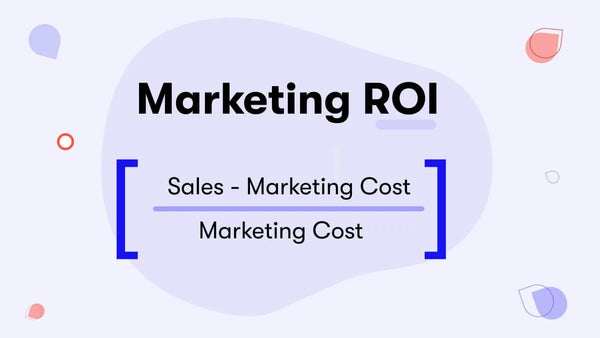
- You can measure ROI and control the marketing budget
- Performance marketing allows you to target the right customers
- Campaigns are optimized in real-time
Advanced Targeting Options
Today, advertising platforms are so well-developed that you can target your ads to reach the exact audience you want. In particular, you can set:
- Age
- Gender
- Location
- Interests
- Other criteria
This way, your ads will only be shown to potential customers.
Real-Time Optimization
Now, when everyone promotes their product/service online, business owners should get the most value for their money. In performance marketing, you will know for sure how your promoted product is useful for customers and how your marketing campaign performs.
You can measure the marketing performance in real-time and optimize your campaign. In particular, you can track:
- Number of views
- Number of clicks
- Number of leads
- Number of subscriptions
- Number of users
- Number of sales
All of these metrics will help you see what works and what does not work in your marketing campaign. You will analyze the collected data and optimize the underperforming aspects of your marketing campaign. It is important to emphasize that performance marketing campaigns should always be optimized.
Performance Marketing Channels: What Platforms Do Companies Use?
Today, business owners can promote their brand, products, and services on different platforms. In particular, performance marketing has several popular channels:
- Search engine marketing (Google Ads)
- Social media marketing (Facebook, Instagram, TikTok, LinkedIn, etc.)
- Affiliate marketing
- Native advertising
- Influencer marketing
How Each Channel Works:
Search Engine Marketing: Using search engines, business owners can advertise their website so that their brand/product appears when someone searches for a certain topic.
Social Media Marketing: Social media platforms allow you to target the audience precisely.
Affiliate Marketing: When you engage in affiliate marketing, you pay other people/businesses for promoting your product/service.
Native Advertising: With native advertising, ads appear naturally in the web pages that people visit.
Influencer Marketing: Influencer marketing campaigns, when they are well-targeted, are great examples of performance marketing—companies pay for specific actions (installs, sales, comments, likes, etc.).
Performance Marketing Metrics: What Is Measured?
It is crucial to analyze the performance marketing data to get the most value for your money. First, you need to define the key performance indicators (KPI).
In performance marketing, the most important metrics are:
| Metric | What It Measures |
|---|---|
| Cost per Click (CPC) | How much the company spends for every person who clicks on your ads |
| Cost per Lead (CPL) | How much the company spends for every person who got interested in your product/service and filled out a request form |
| Cost per Acquisition (CPA) | How much the company spends for every customer |
| Return on Ad Spend (ROAS) | How much the company earned for every dollar spent on advertising |
| Click-Through Rate (CTR) | How many people clicked on your ads |
Using the collected data, you can see which platform works well for your business and which does not, and optimize your marketing campaign.
Example of a Performance Marketing Campaign
Suppose you have an online store that sells skincare products. You want to promote your new product, reduce the number of unsubscribed customers, and boost sales.
The Campaign Setup:
- Platforms: Instagram and Google ads
- Target Audience: Women aged 20 to 40 who are interested in skincare
The Results Within a Month:
- 10,000 customers saw your advertisement
- 1,000 customers clicked on the link
- 100 customers bought your skincare product
Now, you have enough data to know your audience and optimize your performance marketing campaign.
Performance Marketing Disadvantages: Why It May Not Be Worth It
In many ways, performance marketing is transparent and a great way to promote your product/service. However, it has several disadvantages:
1. High Competition
Performance marketing is competitive. Now, many companies advertise their products/services, and for the same audience, the advertising cost is high.
2. Constantly Changing Landscape
Performance marketing is constantly changing. As a result, it is hard to know which marketing tactics are popular and effective.
3. Privacy Concerns
Moreover, in today's digital world, data security and customer privacy are very important. Therefore, performance marketing may become less efficient over time.
Performance Marketing: Tips For Business Owners
Now that you understand what is performance marketing and why it is useful, you probably want to use it to promote your business. However, keep in mind that to get the best results, you need to:
- Set clear marketing goals
- Research your target audience
- Run different tests
- Analyze collected data
Breaking It Down:
- First, it is a good idea to know what you want to achieve.
- Second, to do that, you need to understand your audience.
- Third, test different marketing aspects (ads, headlines, images, platforms, targeting options, etc.).
- Fourth, take action based on the collected data.
It is always important to remember that performance marketing should be a long-term investment. This way, you will build a strong online presence and get more loyal customers.
Performance Marketing Summary
- Performance marketing is a type of marketing where companies invest in ads and promote their products/services.
- In performance marketing, everything is clear: you know how much you spend on ads and what you get.
- You can measure the performance marketing data and constantly optimize your marketing campaign.
- The most popular performance marketing channels are search engine marketing, social media marketing, native advertising, affiliate marketing, and influencer marketing.
- The most important performance marketing metrics are CPA, CPL, CPC, ROAS, CTR, engagement rate, impressions, etc.
As you have seen, performance marketing is a great way to promote your product/service. It is transparent, you can optimize your campaign in real-time, and it is effective. Use performance marketing to get the best value for your money!
What Is Performance Marketing: FAQs
What is performance marketing in simple words?
In simple words, performance marketing is when a company pays for specific actions such as clicks, leads, installs, and sales.
Is performance marketing the same as digital marketing?
No, performance marketing is different from digital marketing. Digital marketing is a broad term that includes all marketing activities a company can do online, and performance marketing is only a subset of digital marketing.
Why do companies use performance marketing?
There are different advantages of performance marketing that attract companies and make them invest in performance marketing:
- First, performance marketing is transparent, meaning that companies know where their money goes and get value for their investment.
- Second, performance marketing allows companies to measure the marketing campaign performance.
- Third, companies can optimize their marketing campaign in real-time and focus on the most advantageous aspects of their marketing campaign.
What platforms do companies use for performance marketing?
The most popular performance marketing channels are search engine marketing, social media marketing, affiliate marketing, native advertising, and influencer marketing.
Is performance marketing suitable for small businesses?
Yes, small businesses can use performance marketing. In particular, when you use performance marketing, it is transparent how much you invest in your marketing campaign and what you get. Therefore, performance marketing is often very useful for small businesses.
Work With Evolve Digital
Want results like these for your brand?
We help brands grow with SEO, paid media, and ecommerce strategy that actually converts. Tell us your goals and we'll map your next stage of growth.
Book a Free Strategy Call