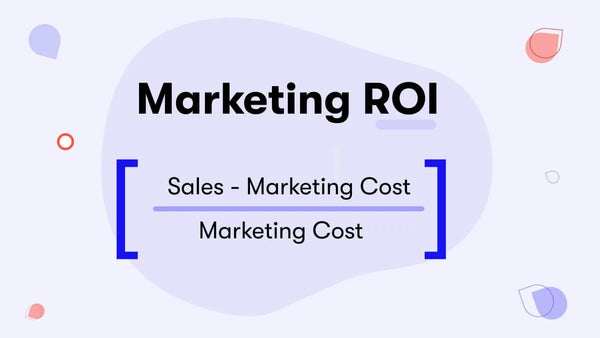
Performance marketing has become one of the most popular areas of digital marketing due to its emphasis on measuring the results. Today, businesses are constantly looking for ways to ensure that their money is well spent, rather than blindly throwing funds into marketing activities. Performance marketing focuses on quantifying the input and the output, providing businesses with valuable data that can be used to optimize future campaigns.
Performance marketing examples can be seen almost anywhere in the modern world. Many companies are using some form of performance-based marketing to drive sales and engagement. However, despite being familiar with the general idea, many people are still unsure what exactly constitutes a performance marketing example.
In short, performance marketing is when a company compensates an advertiser based on a particular action or result.
Understanding Performance Marketing Before Looking at Examples
First, it is important to understand why performance marketing is so popular among businesses. Traditional marketing is all about visibility. Companies are willing to spend large amounts of money on traditional advertising, such as TV ads or billboards, with no guaranteed outcome.
On the other hand, performance-based marketing is all about quantifiable results. Simply put, businesses only pay for specific actions, such as:
- A click on a link (Google Ads, for example)
- A completed lead form
- An app install
- A purchase
- A subscribe action
- And many others
Once these performance marketing examples are understood, it becomes much easier to move onto real-world applications and see how performance marketing is used in the real world.
Performance Marketing Examples: Real-World Applications
Now that the basic theory has been covered, it is time to look at performance marketing examples and see how different companies and businesses utilize performance-based marketing to their advantage.
1. Google Ads Campaign
Google Ads campaign is one of the most prominent examples of performance marketing. In short, Google Ads is a service that allows businesses to create commercials that appear in the search results when someone searches a term related to the ad.
For example, an online clothing store can create Google Ads for terms such as:
- "men's t-shirts"
- "buy dresses online"
- "buy running shoes"
Once these Google Ads are live, anyone searching for these terms has a higher chance of seeing the advertisement. The company only pays when the ad is clicked on, which allows them to see exactly how much traffic and revenue the ad brings in. This is a performance marketing example of how advertisers utilize performance-based marketing to get the most out of their investment.
2. Facebook Lead Generation Ad Campaigns
Facebook lead generation ad campaigns are yet another great example of performance-based marketing. Digital marketing agencies, for instance, often need to get in touch with potential clients. The easiest way to do that is to launch a Facebook lead generation campaign.
With this type of campaign, the company only pays when a prospect fills out a contact form that asks for their name, email, phone number, etc. This is a performance-based marketing example because the company knows exactly how much it pays per lead and can analyze the numbers to optimize the campaign further.
3. Affiliate Marketing
Affiliate marketing is perhaps one of the most interesting performance-based marketing examples available today. It is one of the most common ways of promoting products online and is very popular among bloggers, YouTubers, and influencers.
In short, affiliate marketing involves a company hiring affiliates to promote their product or service. The affiliates are then compensated based on performance. For instance, if a travel blogger publishes a YouTube video reviewing luggage products and sends traffic to the affiliate link, they will get a commission for every customer that buys the product.
This is a perfect example of performance-based marketing because both sides only benefit from the collaboration if the audience members take action. It is a win-win situation that favors both the companies and the affiliates. Now, moving onto the next performance marketing examples in the real world.
4. App Install Campaigns
Many companies today are launching apps and need to drive traffic to their product. This is yet another performance-based marketing example, as businesses hire advertising agencies to run campaigns aimed at app installation.
Advertisements run on various social networks with the sole purpose of enticing users to install an application. The companies then analyze:
- Cost per install (CPI)
- Number of installs
- Retention rate
- Other performance marketing metrics
This data helps them determine the success of the campaign.
5. Retargeting Advertisement Campaigns
Finally, many companies are utilizing retargeting advertisement campaigns. Retargeting works by displaying ads to users who have previously browsed a company's website but did not make a purchase.
For example, a person may browse a furniture store's website looking for a dining set but fail to purchase it. Later, they will notice that ads for that store appear more often on their social media feeds and other websites, encouraging them to make a purchase.
This is a performance-based marketing example because businesses track the effectiveness of such campaigns in terms of:
- Cost per lead
- Conversion rate
- Other relevant performance marketing metrics
If the campaign is successful, businesses can use it again in the future.
Performance-Based Marketing Examples: Why Is It So Popular?
Having looked at performance marketing examples and real-world applications of performance-based marketing, it becomes evident why this type of advertising has become so popular in recent years.
One of the main reasons why performance-based marketing is so popular is that it provides much-needed transparency and control. Businesses can determine how much money is being spent on advertising and which campaigns bring the most value.
In terms of benefits, performance-based marketing offers:
- Greater control over budgets
- Measurable results
- Better targeting
- And more
Moreover, businesses can scale the most effective marketing campaigns by investing more money into them. It is also worth noting that performance marketing examples are not limited to the ones listed above. There are many other performance-based campaigns that companies can utilize.
However, all of them are united by the fact that businesses only pay for specific actions taken by the customers, such as clicks, sign-ups, or purchases.
Performance-Based Marketing Examples: Final Tips
Although performance-based marketing seems simple, many businesses fail to grasp its core concepts, leading to wasted time and money. Here are some general tips that will help recognize a good performance marketing campaign:
- Set realistic goals for your marketing campaign
- Remember that good performance marketing involves using accurate tracking tools
- Focus on targeting the right audience rather than a random one
- Pay special attention to the landing page, as it dictates the user experience
Important Performance Marketing Metrics
Moreover, many performance-based marketing campaigns use a variety of performance marketing metrics to track their performance. Some of the most important metrics include:
- CPC (cost per click)
- CPL (cost per lead)
- CPA (cost per acquisition)
- ROAS (return on ad spend)
- Conversion rate
- And many others
Common Misconceptions
Finally, while performance marketing has many advantages, many of its aspects can be misunderstood or misinterpreted. For example, some people believe that the higher the number of clicks, the better the campaign is. However, in reality, businesses should focus on other metrics, such as CPA, rather than CPC.
Businesses should also remember that performance-based marketing campaigns require careful optimization. Moreover, many companies make the mistake of trying to reach the wrong audience. Effective performance-based marketing only works when the ads reach a relevant audience.
Performance-Based Marketing Examples: Summary
Ultimately, companies today understand the value of performance marketing and utilize it to its fullest extent. In short, performance-based marketing examples demonstrate how businesses only pay for specific actions taken by the customers. There are many such actions, including clicks, subscriptions, purchases, and more.
Some of the most common performance-based marketing examples are:
- Google Ads
- Facebook lead campaigns
- Affiliate marketing
- App installing campaigns
- Retargeting
Every company that wants to benefit from performance-based marketing should carefully analyze the campaign data and optimize the performance marketing campaigns accordingly. This way, businesses will be able to get the best value for their money while minimizing the risk of failure.
Performance-Based Marketing Examples: FAQs
What is an example of performance marketing?
Google Ads campaigns are one of the most popular examples of performance-based marketing. They are used by almost every company that wants to advertise on Google. Google Ads are a great example because businesses only pay for clicks, which in turn allow them to accurately analyze their performance.
Is affiliate marketing a type of performance marketing?
Yes, affiliate marketing is a type of performance-based marketing because companies only pay affiliates when specific actions are completed, such as referrals, purchases, or leads.
Why are Facebook lead campaigns considered performance-based marketing?
Facebook lead generation ad campaigns are a great example of performance-based marketing because businesses can track the number of leads and how much they pay for each lead.
What industries apply performance-based marketing?
Performance marketing can be applied in every industry, including, for example, education, healthcare, real estate, technology, finance, and insurance.
Can small businesses apply performance-based marketing?
Small businesses can absolutely apply performance-based marketing to get the best value for their money. It's particularly beneficial for small businesses with limited budgets as they only pay for actual results.
Conclusion
If you are trying to understand what is performance marketing in digital marketing, the key idea is simple: it is a results-driven approach that combines the power of digital marketing with measurable outcomes. Businesses can track every click, lead, and sale, making it easier to evaluate success and improve performance.
As competition in the digital world continues to grow, performance marketing has become one of the most effective ways for businesses to maximize their marketing investments. Whether you are a startup, an e-commerce brand, or a large company, performance marketing provides the tools needed to make smarter decisions and achieve sustainable growth.
Work With Evolve Digital
Want results like these for your brand?
We help brands grow with SEO, paid media, and ecommerce strategy that actually converts. Tell us your goals and we'll map your next stage of growth.
Book a Free Strategy Call